Non-conventional transformers – digital precision in power systems automation
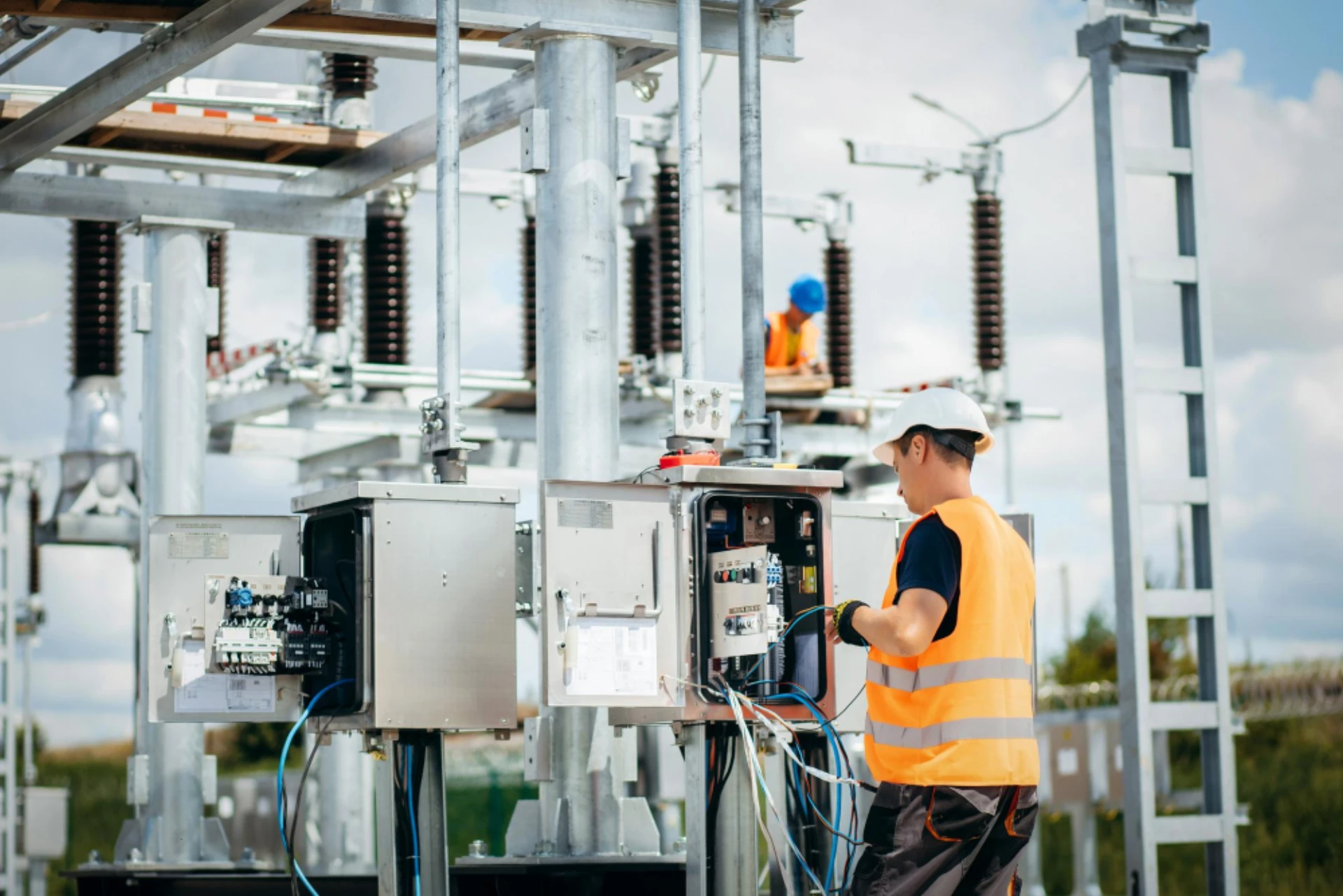 Non-conventional transformers
Power systems require increasingly accurate measurements of current and voltage. This is due to the growing complexity of power grids, the integration of renewable energy sources, the development of digital control systems, and the increasing importance of smart grids. In such a grid operating environment, current transformers in power system automation are a key element of the measurement infrastructure, providing data for protection systems, monitoring systems and substation automation.
For decades, conventional current transformers and voltage transformers based on electromagnetic induction have been the standard. These solutions are still widely used, particularly in distribution networks and industrial installations. The digitalisation of energy infrastructure is driving the adoption of non-conventional transformers, which enable measurements with greater accuracy and a higher level of safety.
Non-conventional transformers – what are they?
To understand their role in modern power systems, it is worth first answering the question: what are non-conventional transformers? These are measuring devices that utilise technologies other than the classic electromagnetic induction used in traditional transformers. Modern solutions utilise, amongst other things, optical sensors, Rogowski coils and electronic current and voltage sensors, which enable accurate measurement of grid parameters and the transmission of signals in digital form to automation and protection systems[1].
This means a shift away from heavy magnetic cores towards lightweight sensing elements and digital data transmission. As a result, this non-conventional transformer can transmit the signal in digital form directly to automation and protection systems.
This approach enhances the measurements’ resistance to electromagnetic interference and improves the accuracy of signal processing. In modern substations, where numerous devices operate simultaneously, high-quality measurements are crucial to the stability of the entire system.
How does a non-conventional transformer work?
In traditional systems, measurement is based on the phenomenon of electromagnetic induction. With digital technologies, the process works differently. So, it is worth explaining how non-conventional transformers work.
Devices of this type use sensors that measure the magnetic field or voltage changes in a conductor. The resulting signal is then processed electronically and transmitted as digital data to control systems.
Non-conventional current transformers can operate across a wide measurement range, ensuring stable measurement accuracy under various load conditions in the power system. Similar solutions are also used for voltage – non-conventional voltage transformers utilise capacitive or optical sensors, which enable stable measurement at high voltage levels.
Integration with a digital substation
One of the key reasons for implementing new measurement technologies is the development of digital power substations. In such installations, data from measuring devices can be transmitted directly to control systems in accordance with the IEC 61850 standard, which is an international communication standard for substation automation systems.
This standard enables the exchange of measurement and control data between devices from different manufacturers, as well as the integration of measurement equipment with protection, control and monitoring systems. As a result, intelligent electronic devices (IEDs) in the substation can communicate in a standardised manner and transmit data in real time to network supervision and management systems[2].
Such solutions are commonly used in projects involving the construction and modernisation of substations, where the measuring infrastructure is designed to integrate with digital automation and network monitoring systems.

The use of non-conventional transformers at various levels of the grid
The range of applications for modern measurement technologies is very wide. In the energy sector, they are used in both high-voltage networks and distribution systems.
In traditional distribution systems, LV current transformers are still used to serve low-voltage installations and industrial networks. In transmission infrastructure, HV current transformers are used – designed to operate at high voltages.
Low-voltage power lines also require precise monitoring of operating parameters. Data from measuring equipment enables distribution system operators to analyse the network load and respond more quickly to anomalies.
The wide range of applications for current transformers includes, amongst other things, protection systems, electricity measurement, power quality monitoring and control of the power grid.
The role of design and diagnostics in energy infrastructure
Modern measurement technologies require the power system to be properly prepared. Therefore, the design of power infrastructure must take into account not only the network’s operating parameters, but also how the measurement equipment is integrated with automation and monitoring systems. In this context, it is particularly important to select the appropriate current and voltage transformers for measuring current and voltage in the network.
Designers analyse, among other things, the voltage level in a given area of the network, the requirements for measurement accuracy, and how the devices communicate with control systems. On this basis, suitable current and voltage transformers are selected – both in conventional technology and in digital solutions. The parameters of these devices influence the correct operation of protection systems, automation systems and grid monitoring systems.
The diagnostics of power equipment also plays an important role, with transformers serving as one of the primary sources of measurement data. Information on current, voltage and power quality enables network operators to monitor the condition of equipment and detect faults in the system more quickly.
Thanks to accurate measurements, transformers enable the early detection of overloads, voltage imbalances and abnormal power flows. This data is used both in the day-to-day operation of the power system and when planning substation upgrades and grid expansion.
Measurement technologies and the future of the energy sector
The development of renewable energy, electromobility and smart grids requires increasingly advanced measurement systems year after year. Accurate data on energy flows helps to stabilise grid operations and enhance its security. Modern measuring solutions enable more effective management of the power infrastructure and the integration of multiple energy sources into a single system. This makes it easier for operators to monitor the grid’s operation on an ongoing basis and to plan its further modernisation and expansion.
The development of digital substations and smart grids is closely linked to the use of modern measurement technologies in energy systems.
FAQ – Frequently asked questions about non-conventional transformers
Non-conventional transformers are measuring devices that utilise technologies other than conventional electromagnetic induction, such as optical or electronic sensors.
Non-conventional transformers measure magnetic fields or voltage using sensors and then transmit the data as a digital signal to automation systems.
Non-conventional transformers are most commonly used in digital power stations, automation systems and modern power grids.
LV transformers are used in low-voltage systems, whilst HV transformers are used in high-voltage networks.
It enables digital communication between devices in substations and the integration of automation systems. This allows measurement data from transformers to be transmitted directly to protection and monitoring systems. This improves the monitoring of network operations.
[1] https://wprcarchives.org/wp-content/uploads/2024/04/stewart_Digital-Instrument-Transformers_2019.pdf